Agrarian Source
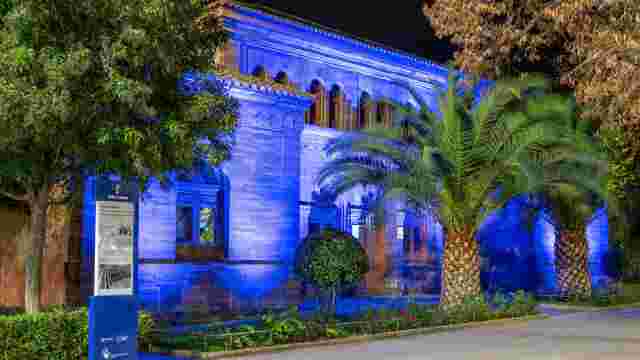
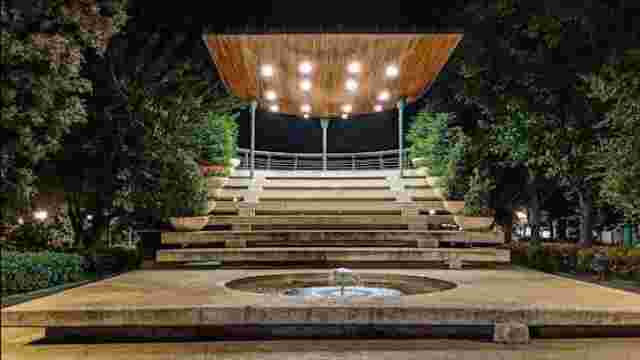
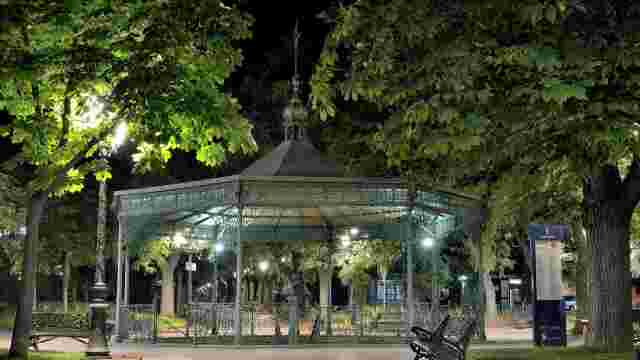
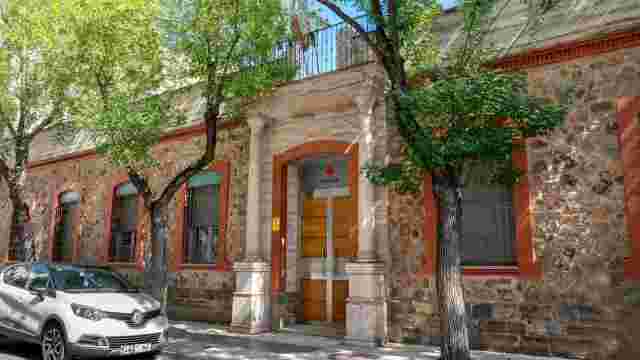
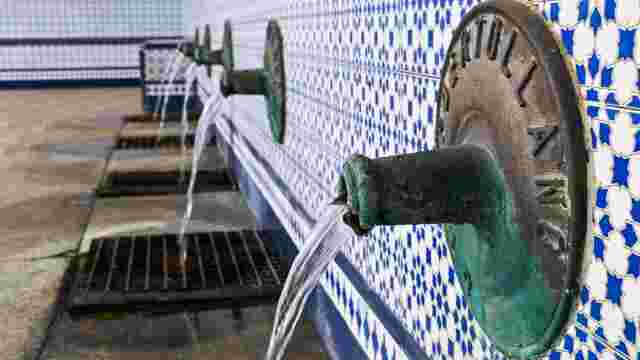
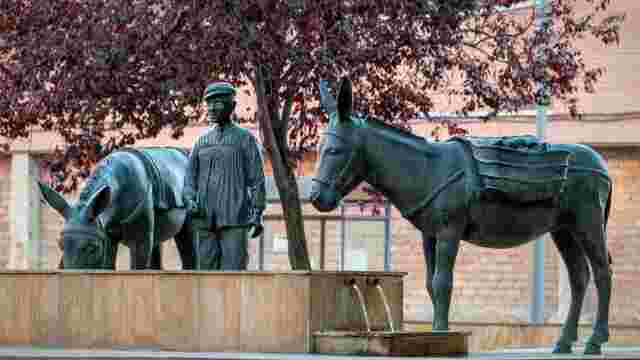
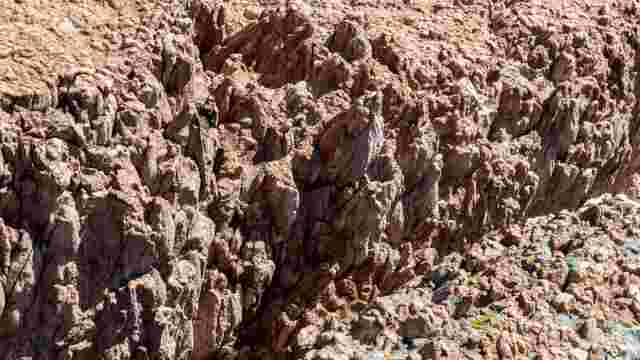
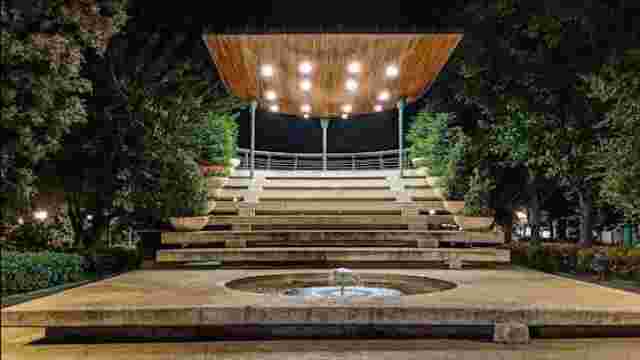
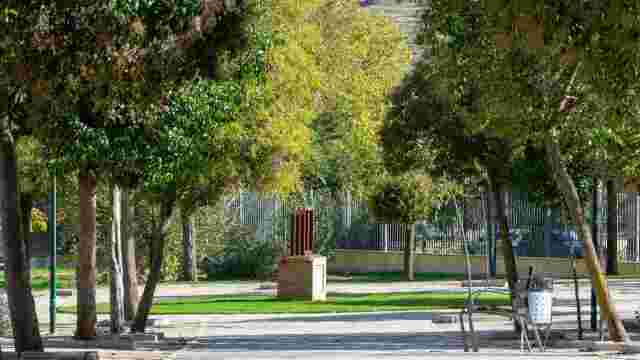
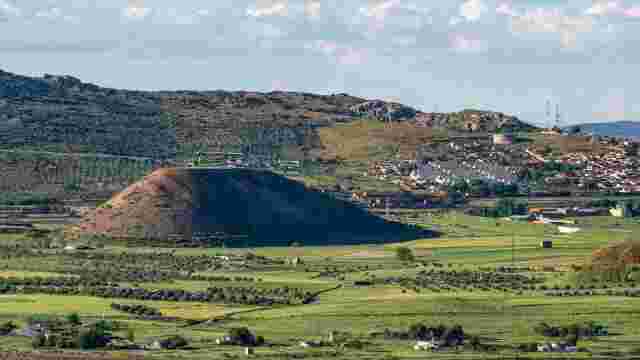
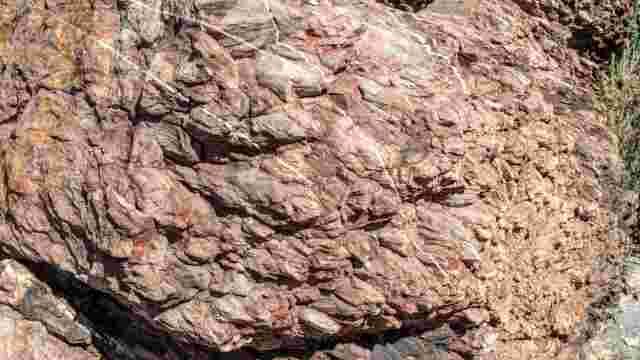
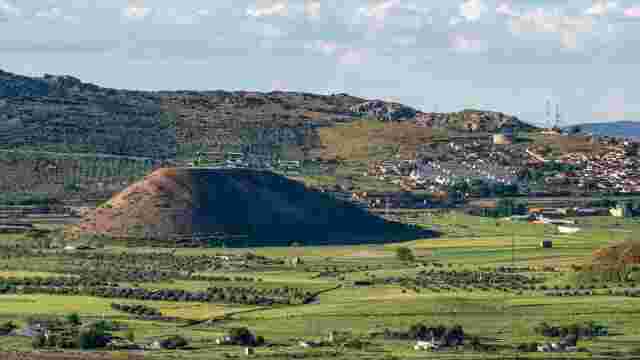
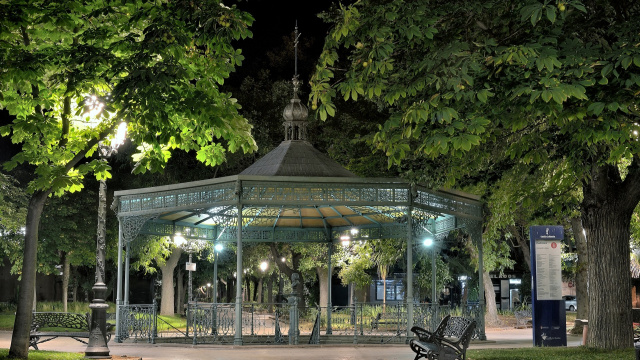
The first information we have about the sour spring dates back to the 16th century and tells us of a reddish puddle from which water gushes out in gushes. The sour water comes from the hill of Santa Ana and is rich in minerals, especially iron oxide. It is said to have curative properties, although there is no scientific study to corroborate this. If the sour water is left in a bottle for a while we will see that the heavier minerals remain at the bottom of the bottle. the heavier minerals remain at the bottom of the bottle and that at the top of the bottle there is a creamy layer called the a cream-like layer called a pigeon's neck because of the colours that form. In the middle of the Fuente Agria there is a bust of Doctor Limón. Alfonso Limón Montero, a native of Puertollano and professor at the University of Alcalá de Henares, was a professor of Hydrology, the science that studies water and its manifestations. At the end of the 17th century he wrote a work entitled "Espejo cristalino de las aguas de España". of Spain". This work was a sort of dictionary or compendium of the known sources and springs of the springs known throughout Spain. The current structure of the Fuente Agria dates from 1904-1905.